
How Military Ship Furniture Balances Function, Safety, and Efficiency
Military ships operate in some of the world's most challenging environments and thus require furniture that can withstand these demanding conditions. The unique requirements of military ship furniture encompass balancing functionality, safety, and efficiency. A naval ship furniture supplier helps address these priorities by providing solutions built for demanding maritime conditions. This balance ensures that naval personnel can perform their duties effectively, while staying comfortable and safe. Furniture on these vessels must facilitate crucial operations, offer durability against the elements, and optimize limited space. As a fundamental component of a ship's interior, furniture plays an essential role in achieving mission success and maintaining crew welfare.
Understanding the Importance of Functionality Designing for Specific Roles and Operations
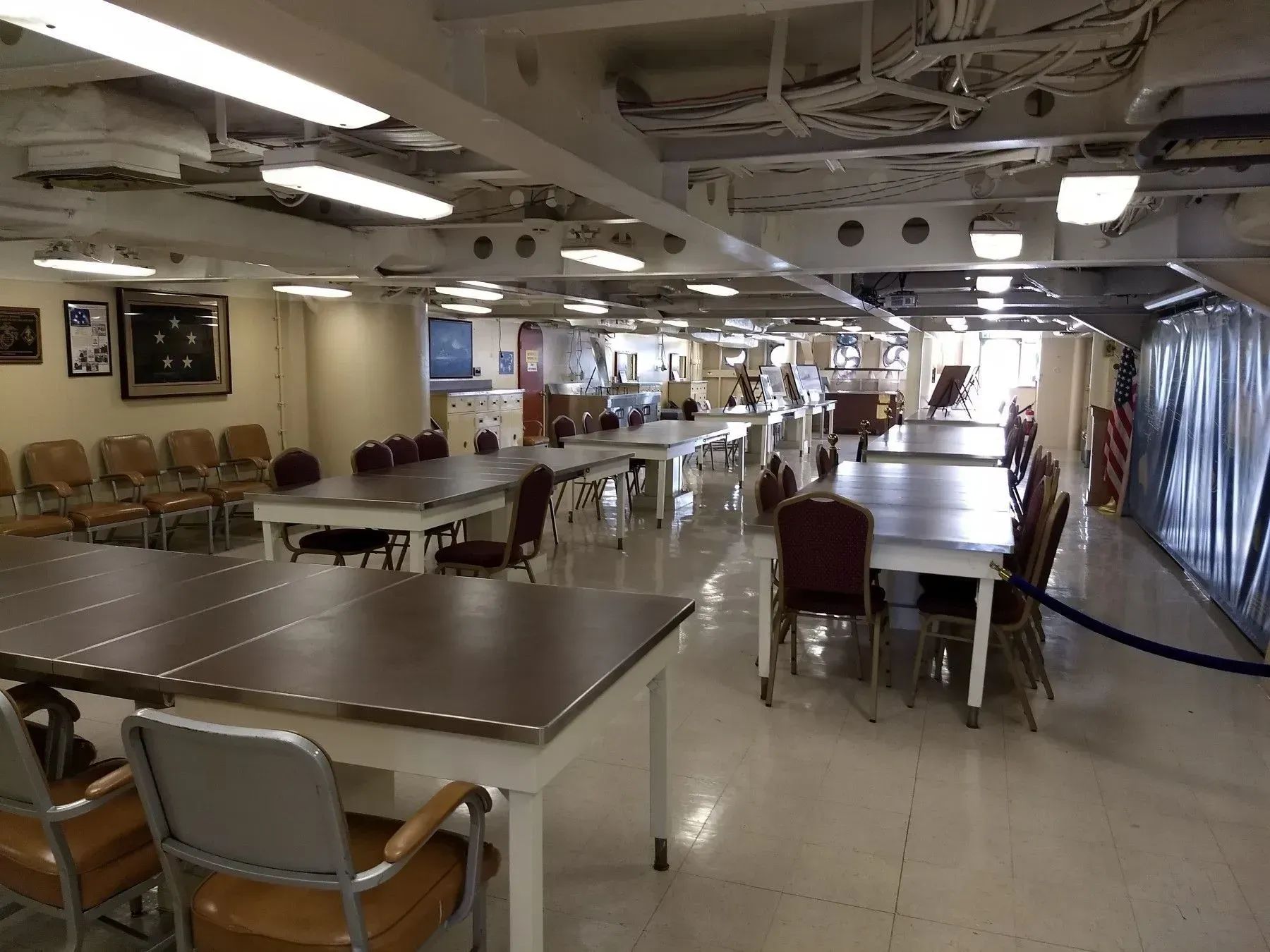
The design of military ship furniture is intricately linked to the roles and operations carried out on board. A naval ship furniture supplier must consider how command centers, living quarters, storage areas, and workstations support daily activity. Command centers require specific furnishings that integrate seamlessly with communication and navigation equipment. Living quarters, on the other hand, demand furniture that provides comfort during off-duty hours while remaining functional and minimal. Each piece must serve a particular purpose while contributing to the operational readiness of the ship. Understanding these role-specific needs allows for furniture solutions that enhance the performance of crew members.
Furthermore, each type of naval vessel, whether it's a destroyer, a submarine, or an aircraft carrier, requires customized furniture designs. The furniture must support the unique tasks performed on different ships, ensuring that space is used effectively and nothing hinders daily operations. Efficiency in naval operations is largely dependent on how well the interior is organized and how the furniture complements these activities. Guidelines for furniture design are often dictated by the operational priorities of the ship, further emphasizing the need for tailored furniture solutions. Such specificity in design ensures that the crew can focus on their duties without impediments.
Multi-Functional Furniture Solutions
Multi-functional furniture solutions are a staple in military ship design, offering maximum utility in minimal space. A naval ship furniture supplier may develop pieces with multiple uses in mind, such as tables that also serve as storage units or chairs that transform into ladders. The versatility of such designs reduces the need for additional items, thereby conserving space and resources. These innovations are crucial as they enable ships to carry more supplies without sacrificing comfort or functionality for the crew. Projects involving multi-functional furniture often leverage creativity to solve common spatial challenges faced on board.
Moreover, the need for space conservation has driven significant advancements in the development and application of modular furniture. This has been reflected in industry adoption trends, which show a 20 percent increase in modular solutions across naval and commercial ships in recent years. The inherent flexibility of modular furniture makes it particularly adept at addressing diverse operational needs. Such solutions can evolve alongside the mission, allowing crews to adjust configurations on the fly as situational requirements shift. The ability to reconfigure space according to changing demands ensures that naval personnel maintain operational efficiency without a hitch.
Customizable Designs for Dynamic Needs
Customizable designs allow military ship furniture to adapt to dynamic mission requirements. A naval ship furniture supplier can tailor layouts, materials, and configurations to match the specific operational context of the ship. While some ship missions may demand robust designs, others might prioritize lightweight and portable solutions. This flexibility is key to ensuring that furniture can be tailored to the specific operational context of the ship. Mission-specific customization can involve altering furniture dimensions, materials, or configurations to meet the demands of diverse environments and operational parameters. Adaptable designs are necessary to quickly adjust to the dynamic needs of modern naval warfare.
Designs that can be easily adapted to suit changing needs are paramount in the dynamic realm of naval operations. Modular furniture designs offer quick reconfigurations that respond to different functional requirements or changes in crew size. According to Research Nester, modular solutions have experienced a 20 percent increase in adoption over recent years, underscoring their importance. This rise in modular adoption indicates a growing recognition of the need for flexibility in demanding maritime environments. In addition, the ability to reconfigure or replace components quickly enhances ship readiness, minimizing downtimes and ensuring operational continuity.
Prioritizing Safety in Design
Materials Selection for Durability
The selection of materials used in military ship furniture deeply impacts its durability and safety. A naval ship furniture supplier must evaluate corrosion resistance, strength, weight, and maintenance requirements before recommending materials. Furniture must withstand the harsh conditions of maritime environments, including saline air, moisture, and potential impacts. Choices in materials are influenced by their resistance to corrosion, durability under stress, and ease of maintenance. By opting for resilient materials such as stainless steel and marine-grade aluminum, ship designers ensure longevity and reliability. These materials not only withstand the rigors of sea life but also contribute to overall mission safety by reducing the likelihood of equipment failure.
Durability also relates to how furniture can handle the daily wear and tear experienced on naval vessels. Materials need to balance robustness with weight considerations, a critical factor in maritime design. Advances in material science have introduced new composites that are both lightweight and strong, allowing furniture pieces to meet diverse durability requirements without compromising on stability. The choice of materials also indirectly affects maintenance cycles, where less frequent repairs translate to resource efficiency and sustained operational availability. This careful selection process ensures that military furniture endures over the long term, supporting naval missions consistently.
Ergonomic Considerations
Ergonomic considerations are pivotal in military ship furniture design, as they directly impact crew comfort and efficiency. A naval ship furniture supplier should account for posture, movement, long shifts, and the physical demands placed on personnel. A focus on ergonomics ensures that furniture supports the physical needs of naval personnel, reducing fatigue and the risk of injury. Desks, chairs, and sleeping accommodations are designed to suit a wide range of body types and movement patterns. By promoting optimal body postures and minimizing repetitive strain, ergonomic furniture contributes to maintaining the health and productivity of crew members. The integration of these considerations is key in environments where long hours and demanding tasks are commonplace.
The significance of ergonomic design extends to enhancing overall mission effectiveness. Comfortable furniture allows personnel to focus more on their duties, reducing downtime and increasing operational efficiency. In environments that require high alertness and prolonged attention, as often experienced on naval ships, the value of ergonomically designed furniture cannot be understated. For instance, in control rooms, chairs and workstations designed with ergonomic principles support sustained attention and minimize fatigue over extended shifts. Such design considerations contribute to improved situational awareness and quicker response times.
Ongoing research into human factors further informs ergonomic design decisions. Feedback from naval personnel provides valuable insights into how furniture can be improved to better meet ergonomic needs, reinforcing a user-centered approach to design. This continuous feedback loop allows for adaptive improvements that align with the evolving demands of naval operations. As mission requirements develop, so too do ergonomic design strategies, ensuring that furniture proactively supports human performance. Consequently, ergonomic considerations remain a cornerstone of military furniture design, dedicated to sustaining crew wellbeing and mission readiness.
Working with a naval ship furniture supplier allows vessels to receive furniture solutions that are built around the unique requirements of naval operations. From command centers and sleeping quarters to storage areas and shared spaces, the right supplier can help create interiors that support both performance and protection. As naval missions continue to evolve, thoughtfully designed furniture will remain an important part of maintaining operational strength, crew wellbeing, and long-term vessel functionality. Contact Spec-Built Systems Inc. today to learn more.