
Top Innovations in Naval Ship Furniture Design
Cleaning household items often involves delicate wood polishes, specialized fabric cleaners, and careful vacuuming routines. Vessel interiors need to be simple to clean, wash down, and sanitize quickly after a long journey. Smooth, non-porous surfaces prevent dirt and salt grime from accumulating in tight crevices.
Marine finishes resist staining from spilled fuel, fish blood, sunscreen, and harsh cleaning chemicals used during vessel washdowns. Sourcing your interior components from a dedicated marine furniture manufacturer ensures that cleanup requires minimal effort. This low-maintenance design lets you spend more time enjoying the open water with guests.
Some specialized marine seating components are engineered to serve a double purpose as emergency flotation devices if needed. Residential cushions absorb water rapidly and sink, offering absolutely no utility during an emergency abandonment situation. Marine upholstery utilizes closed-cell foam that naturally repels water and provides reliable, inherent buoyancy.
This critical safety feature ensures that your cabin cushions can assist passengers during unforeseen maritime accidents. A dedicated marine furniture manufacturer understands how to integrate these lifesaving features without compromising on sitting comfort.
The evolution of military vessel interiors has progressed rapidly as navies worldwide prioritize efficiency, safety, and multi-functional environments. Today’s design standards reflect a blend of advanced materials, strategic engineering, and human-centered layouts. These innovations are shaping how naval ship furniture is built and used on a global scale.
Reimagining Space Utilization for Greater Operational Efficiency
One of the most transformative innovations affecting ship furniture design is the enhanced approach to space management. Naval vessels traditionally face limitations in square footage, requiring every piece of furniture to serve multiple functions without compromising durability. This challenge has sparked a new generation of modular furniture systems engineered to make compact quarters feel larger, more flexible, and easier to maintain.
New modular bunks, for example, allow crews to collapse or expand sleeping spaces depending on mission needs. Mission rooms and command centers now use fold-flat desks, pivoting storage units, and wall-mounted systems that can be reconfigured in minutes. These flexible elements allow ships to adapt quickly to new tasks, such as transitioning from combat readiness to humanitarian support operations.
Space optimization also intersects with technology-forward designs. Integrated power systems, streamlined wiring paths, and improved airflow designs mean that furniture no longer obstructs essential ship systems. Designers study human movement patterns inside vessels to create layouts that minimize bottlenecks and maximize efficiency. The result: ship environments that support mission success by reducing fatigue, increasing organization, and improving workflow.
Advancing Materials Technology to Improve Strength and Performance
Material innovation has become one of the most vital drivers of progress in this industry. As vessel missions become more complex, furniture must withstand extreme conditions such as saltwater exposure, temperature fluctuations, prolonged vibration, and shock impacts. Traditionally, heavy metals and hardwoods were favored for their durability, but these materials added tremendous weight to ships and limited design flexibility.
That trend is changing. According to Statista, approximately 60 percent of naval ship furniture is now made using lightweight composite materials, marking a profound shift in military vessel design. Composites offer exceptional strength-to-weight ratios, corrosion resistance, and increased longevity even under harsh maritime conditions. Lighter materials also improve ships’ fuel efficiency and performance—an enormous advantage for long-range missions.
Additionally, fire-resistant composites and advanced coatings enhance safety by reducing heat transfer and minimizing toxic emissions in emergency situations. Some modern materials incorporate antimicrobial surfaces, contributing to better hygiene in high-traffic crew environments. These advancements signal a shift toward furniture that is not only durable but strategically engineered to meet the evolving needs of maritime operations.
Integrating Ergonomics to Support Crew Well-Being and Performance
Human-centered design is now a major focal point of naval ship furniture innovation. With long missions and demanding operational schedules, crew members require environments that reduce strain, support rest, and facilitate productivity. Ergonomics helps ensure that every piece of furniture—from seating to workstations—contributes positively to physical health and mental focus.
Modern seating solutions onboard naval ships incorporate adjustable back support, shock-absorbing bases, and breathable materials that reduce sweat and discomfort. Where older ships often featured one-size-fits-all designs, today’s furniture options accommodate individual body types and can be fine-tuned to each user. This reduces fatigue, lowers the likelihood of repetitive-strain injuries, and increases crew efficiency during long watches.
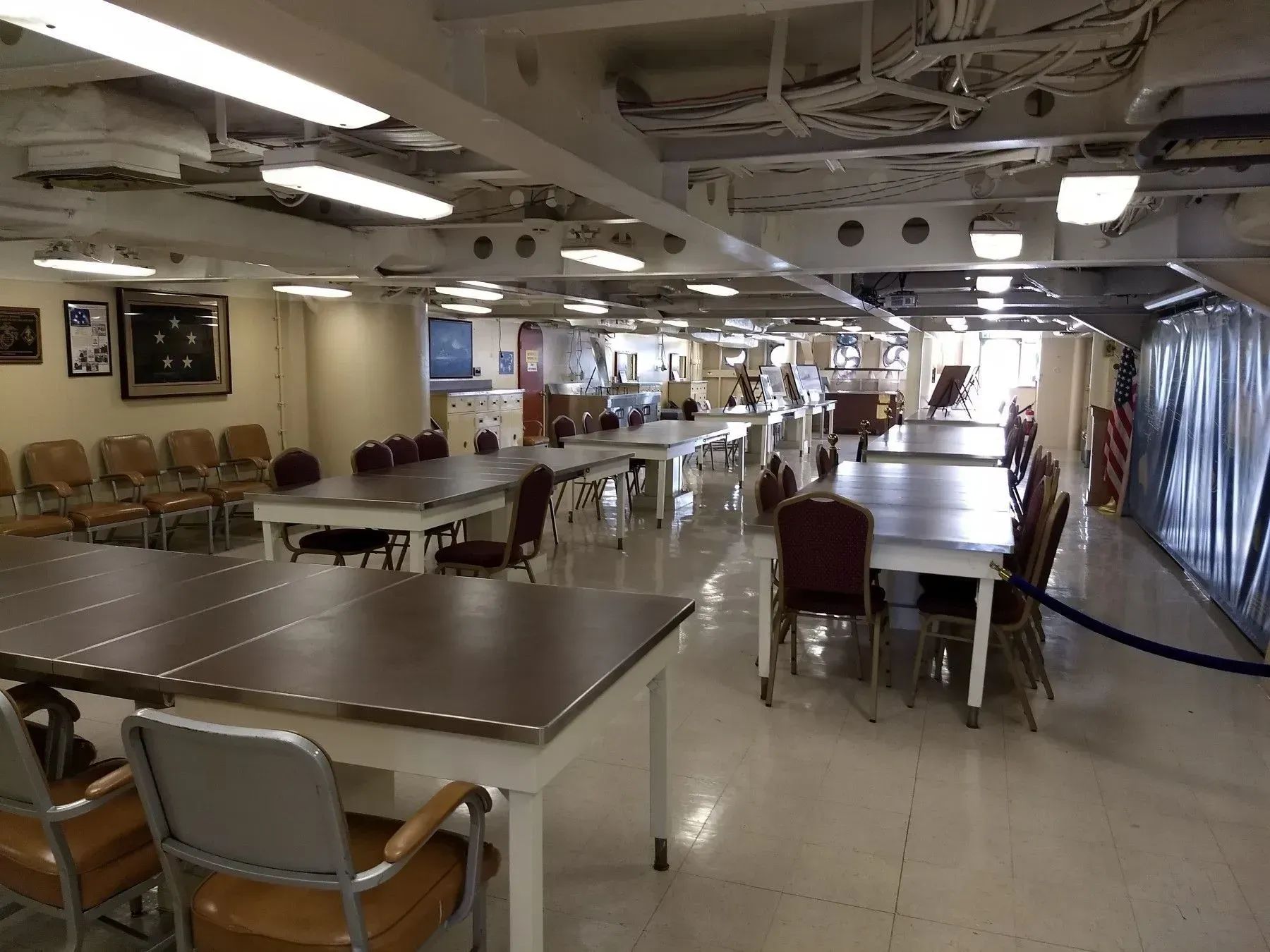
Sleeping quarters are also seeing major upgrades. Enhanced mattress designs, noise-dampening enclosures, and privacy features help crew members rest better during tight sleep rotations. Even dining spaces incorporate ergonomically balanced stools and tables engineered to stabilize during rough seas. These innovations create more comfortable, supportive living and working spaces—an essential factor in maintaining morale and effectiveness during extended missions.
Embedding Technology to Enhance Functionality and Safety
Another major advancement in ship furniture design is the seamless integration of technology. As naval operations become increasingly data-driven, furniture must support both connectivity and adaptability. Modern workstations now include built-in cable routing systems, integrated power and data ports, and cooling features that prevent electronics from overheating during extended missions. Some pieces even incorporate sensors that monitor vibration levels or structural stress, providing valuable feedback to maintenance teams.
Command centers benefit from smart console designs that allow crews to adjust screens, controls, and lighting based on real-time mission requirements. Safety systems are also evolving. Furniture in medical bays can now accommodate integrated diagnostic tools or emergency power supplies, ensuring critical equipment remains operational when seconds matter. Locking mechanisms, quick-release panels, and reinforced frames help keep equipment secure during turbulent sea conditions. As more naval operations rely on advanced technology, ship furniture continues to adapt, ensuring that crews have stable, efficient, and secure work environments.
Enhancing Storage Solutions for Better Organization and Readiness
Efficient storage is a cornerstone of successful naval operations. New innovations in naval ship furniture focus heavily on smarter, more accessible storage solutions that reduce clutter and increase mission readiness. Rather than relying on traditional cabinets or fixed drawers, designers now incorporate expanded modular storage systems that maximize vertical space and improve item retrieval times.
Under-bunk compartments, wall-mounted gear racks, and convertible seating with hidden storage allow crews to keep essential items close by without overwhelming limited living spaces. Quick-release latches make it easier to access equipment during emergencies, while reinforced compartments ensure supplies remain secure during rough seas.
Advanced materials contribute to lighter and stronger storage units that resist corrosion and reduce maintenance demands. Some ships also use RFID-tracked storage solutions, allowing supply teams to locate equipment quickly—an advantage during high-pressure situations. These smarter storage innovations help crews stay organized and prepared for any mission scenario.
Improving Safety Through Shock-Resistant and Anti-Vibration Designs
Safety remains a top priority in naval vessel environments, and modern naval ship furniture designs incorporate features that reduce injury risk during extreme conditions. Shock-resistant mounts, reinforced anchoring systems, and anti-vibration frames help secure furniture during high-impact events or rapid maneuvers.
Tables and seating now use flexible joints that absorb sudden movements, protecting crew members from collisions. Cabinet doors and drawers include locking mechanisms designed to prevent opening unexpectedly during turbulence. Some innovative designs integrate collapsible safety edges that minimize injury if crew members fall or are thrown forward in rough seas.
Medical spaces and command centers benefit especially from vibration-isolated platforms that protect both personnel and sensitive equipment. These safety-oriented innovations ensure that furniture supports the ship’s operational integrity and safeguards the people on board.
Streamlining Maintenance Through Durable, Easy-to-Clean Designs
Maintenance efficiency is another area experiencing significant innovation. Because ship life requires constant cleaning, repairs, and inspections, the furniture must be designed to simplify upkeep. Modern materials resist corrosion, staining, and microbial growth, reducing the need for frequent replacements or heavy maintenance.
Smooth, seamless surfaces make cleaning faster and more thorough, while removable panels allow technicians to access wiring or structural components without dismantling entire units. Modular systems also simplify part replacements, enabling crews to maintain readiness with minimal downtime.
Maintenance-friendly furniture contributes directly to operational efficiency, ensuring ships remain mission-capable even under demanding deployment schedules.
Innovations in ship furniture design continue to reshape the way crews live and work at sea. From advanced materials to human-centered layouts, these changes aim to improve safety, efficiency, and long-term durability. As technology and mission needs evolve, naval furniture will remain a vital component of maritime readiness. If you are interested in naval ship furniture , contact Spec-Built Systems Inc. today to learn more!