
Shipboard Lockers and Storage Solutions for Military Vessels
QUICK ANSWER: Shipboard lockers and storage solutions for military vessels are purpose built units that hold uniforms, gear, and emergency equipment securely through rolling seas, vibration, and salt air. The main decisions are the locker type for the crew grade it serves, how it is ventilated and locked, the finish and material, whether shock certification is required, and how it fits the compartment layout. Aluminum lockers with a powder coat finish, marine grade locks, and custom sizing for tight spaces cover most naval applications. Matching each locker to its drawing reference before ordering prevents fit problems later.
A crew of two hundred people brings a surprising amount of belongings aboard. Uniforms, boots, foul weather gear, toiletries, and personal items all need a home, and that home has to stay closed when the deck pitches, stay dry when humidity climbs, and stay out of the way when the compartment has to be cleared in a hurry. On a land based building, a storage problem means a cluttered room. On a vessel, it means loose gear in a passageway during a roll, a door that swings into a path someone needs, or a locker that cannot be reached when it matters.
Storage is rarely the headline of an outfitting package, yet it decides how well a compartment works day to day. Port engineers, outfitting contractors, and procurement officers who treat lockers and storage as a system, rather than a list of boxes, tend to end up with compartments that crews can actually live in. This article walks through how that system comes together.
Why Storage Is the Pressure Point in a Crowded Compartment
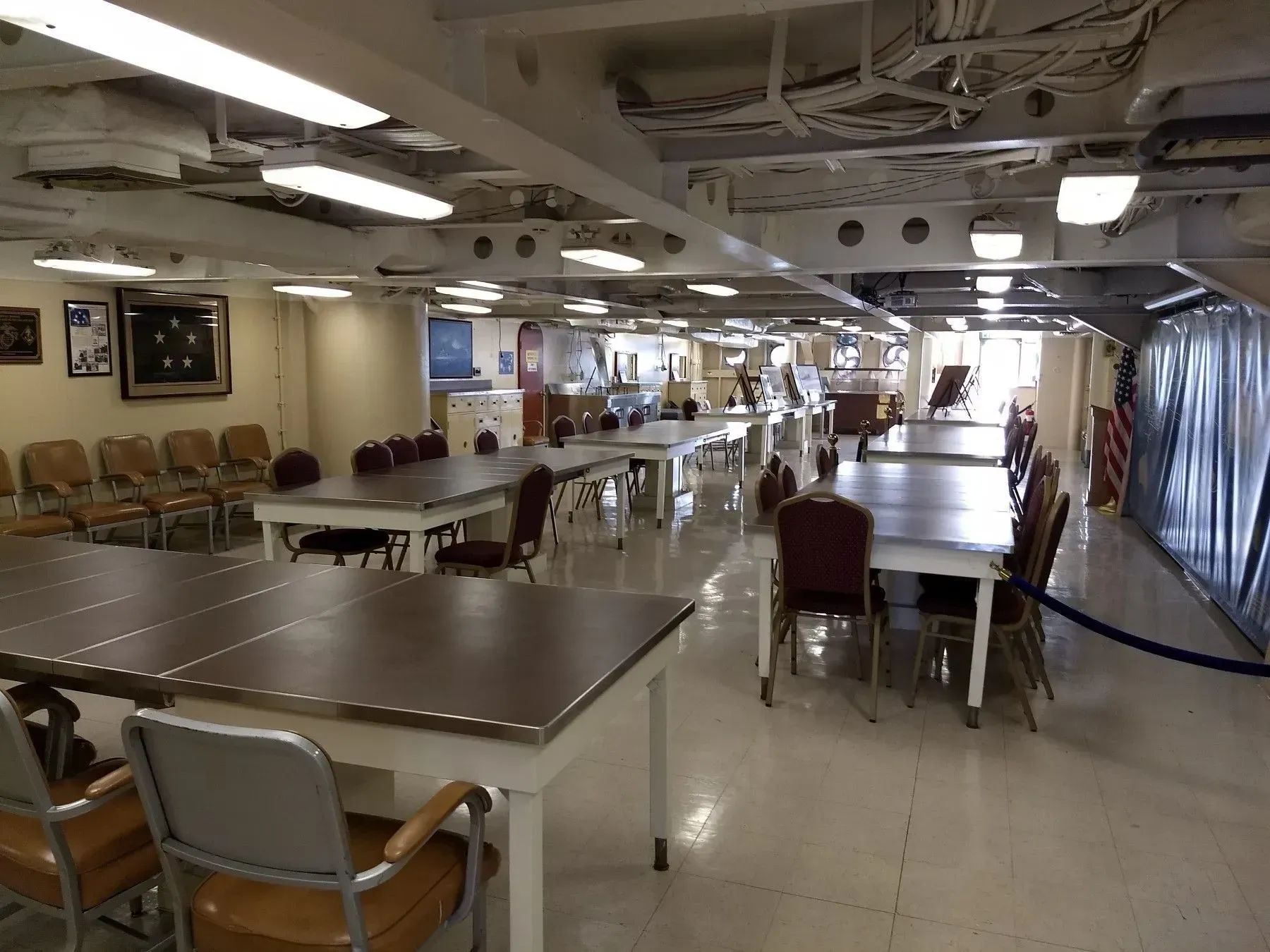
Berthing and crew quarters are designed around a fixed amount of space. Every rack, passage, and fixture competes for the same volume, and the locker is often the item that gives way first when the layout gets tight. A locker that is too deep eats into the walkway. One that is too shallow cannot hold a uniform or a pair of boots. The result is crew gear stored in places it was never meant to go.
That is why shipboard locker design starts with the compartment, not the catalog. The question is not simply how many lockers fit, but how many usable lockers fit once door swing, passage width, and the neighboring berth stack are accounted for. A locker that opens cleanly in a diagram can still collide with a rack frame or a bulkhead fitting in the real space.
The Locker Families and Who They Serve
Naval lockers are not one product. They are a family of units built for different crew grades and different kinds of gear, and each is built to its own drawing. The locker line includes several of the common types.
Overcoat locker, Type 2 (part number 0521)
Built for longer garments and outerwear, this unit gives coats and similar items room to hang without crushing.
Crew wardrobe locker, Type 3 (part number 0522)
A general purpose wardrobe locker for crew uniforms and personal clothing.
Marine locker, Type 4 (part number 0523)
A general marine locker for crew storage in berthing and living spaces.
Wardrobe locker, Type 9 (part number 0528)
An additional wardrobe configuration for compartments that need a different size or layout.
Chief Petty Officer lockers, Type 10 (part number 0514) and Type 11 (part number 0515)
Storage built for the CPO berthing and mess spaces, where the arrangement differs from general crew quarters.
Crew clothing locker, Type B2 (part number 0213)
A crew locker for clothing, built to its own drawing.
Coast Guard crew locker, Type B
Built to the Coast Guard's own locker drawing, this unit includes a mirror, a retractable towel bar, and a door stay, details that reflect how a Coast Guard crew actually uses the space.
Every unit in the list is aluminum with a powder coat finish, and the Navy locker types are available shock certified to the Navy shock standard, MIL S 901D. Knowing which family applies to your vessel narrows the search quickly, and each type points back to a specific drawing reference, which is the document a shipyard and a manufacturer both work from.
Tip: Ask for the locker type and the drawing reference together when you request a quote. The type name tells the manufacturer what the locker is for, and the drawing reference tells them exactly how it must be built. Giving only one of the two is a common reason a quote comes back with questions instead of a lead time.
Ventilation, Locks, and Quick Access
A locker on a ship has to do things a locker ashore never considers.
Ventilation
Damp uniforms, boots, and foul weather gear go into lockers in a humid environment. Without airflow, moisture sits, odors build, and mildew starts. Ventilated locker designs keep air moving through the unit so contents dry out instead of staying damp.
Marine Grade Locks
A lock on a ship faces salt air, constant motion, and heavy daily use. Marine grade hardware is selected to keep working in that environment, so crew members are not fighting a seized latch.
Quick Access Features
Some storage has to be reachable fast. In a compartment where equipment must come out in an emergency, a latch that opens smoothly and a door that stays where it is put can make the difference between a short delay and a long one. A door stay is a small feature with an outsized effect, because it keeps a door from swinging closed on someone in a rolling compartment.
Together these three features turn a simple box into a unit built for the way a crew really lives aboard.
Material, Finish, and Shock Certification
Aluminum is the material used across the locker line. It brings a strong strength to weight ratio, which helps when a compartment holds dozens of units, and it pairs well with a powder coat finish that resists salt air and humidity. For naval programs, a corrosion resistant finish is not a cosmetic choice. A finish that chips and lets moisture reach the metal turns into a maintenance task that repeats for the life of the ship.
For vessels where shock performance is required, shock certification is available on the Navy locker types. A locker that stays attached and keeps its door closed when the hull takes a shock load protects the crew from a falling door or flying contents. The details of how certification works are covered in other articles on this subject, and the key planning point here is simple: decide early whether your program calls for it, because it shapes how the unit is built and mounted.
Storage Beyond the Locker
A full storage plan for a crew compartment goes beyond the wardrobe locker. Several other pieces carry part of the load.
Drawers Under The Berth
Three lower drawers store clothing and personal belongings without occupying additional floor space.
Lockers Built Into The Berth Stack
Modular berth units include two or three built-in lockers for convenient crew storage.
Compartment Organizers
Organizers keep smaller belongings sorted, secured, and from rolling across the deck or into bunks.
Emergency Equipment Storage
A dedicated container keeps Emergency Escape Breathing Devices accessible at the rack in a designated location.
Planning these together prevents duplication and gaps. A crew member with a wardrobe locker, a berth locker, and under berth drawers may have more than enough room, while a compartment that relies on a single locker per person may leave the crew improvising.
Sizing Lockers for Tight Compartments
Standard sizes do not always fit the space a vessel offers. Compartments on older hulls, on smaller craft, and on retrofits often have odd dimensions, pipe runs, or structural members that rule out an off the shelf locker. Custom sizing for compact shipboard spaces is part of the answer. A manufacturer that can adjust the width, depth, or height of a unit to match a compartment drawing gives the outfitting team options that a fixed catalog cannot.
When you send dimensions for a custom unit, include the details that drive fit: the available width and depth, the overhead height, the location of any bulkhead penetrations, the door swing you need, and any deck fittings the unit has to clear. If a drawing already exists for the compartment, send it. A dimensioned sketch is a good second choice when it does not.
Warning: Do not assume a locker that fits the floor plan will fit the real compartment. Piping, wiring runs, frame members, and adjacent furniture often reduce the usable space below what a plan view suggests. Confirm clearances against the compartment drawings or a field measurement before the order is released, because a locker built a few inches too large cannot be adjusted on site.
Planning Locker Orders Around the Availability Window
Lockers usually travel in the same outfitting package as berths, tables, and other furniture, and they share the same schedule pressure. Typical custom naval locker projects take 30 to 90 days depending on scope and order volume. That range narrows when the drawing references, locker types, quantities, and options are settled before the order goes in.
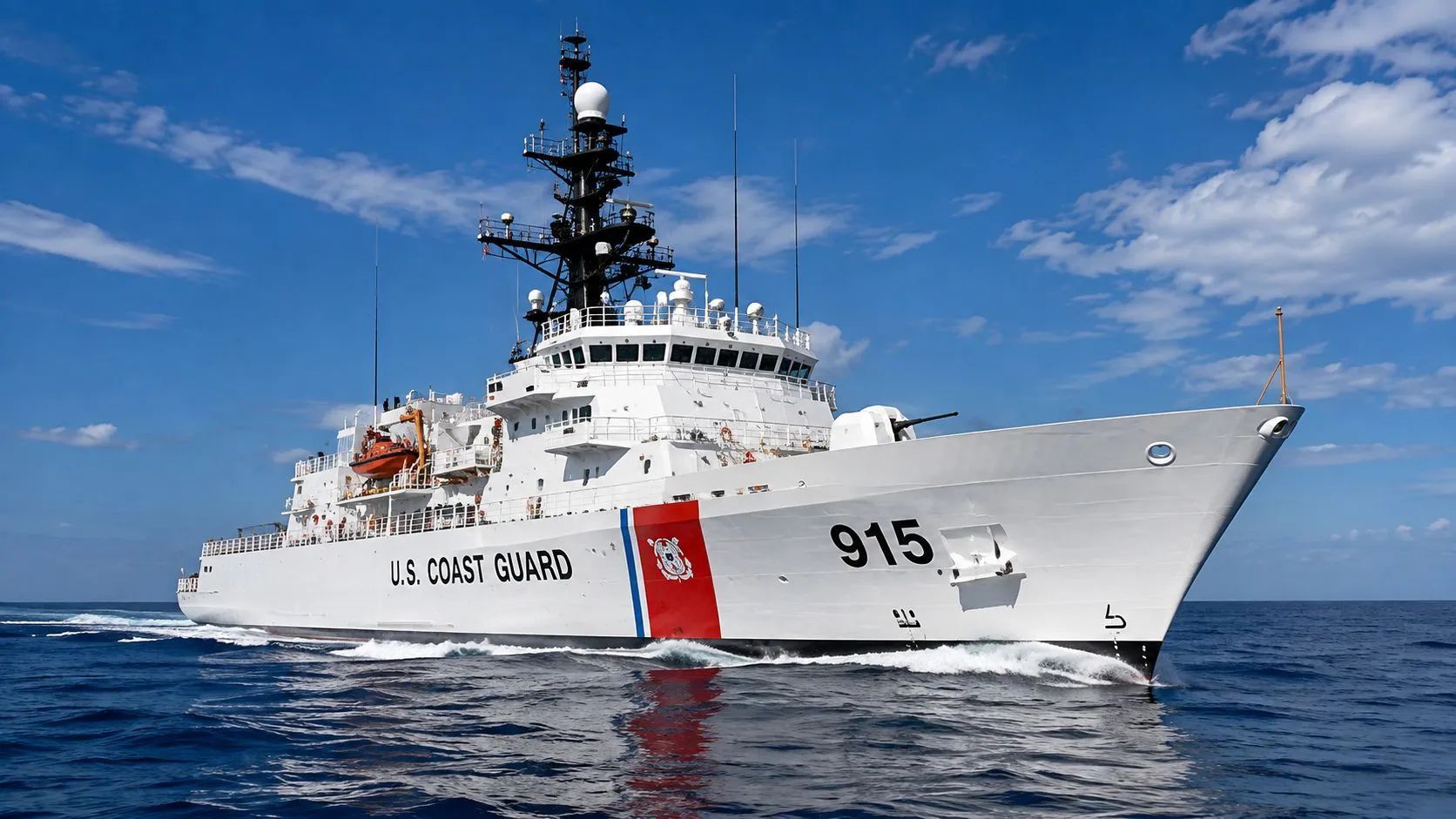
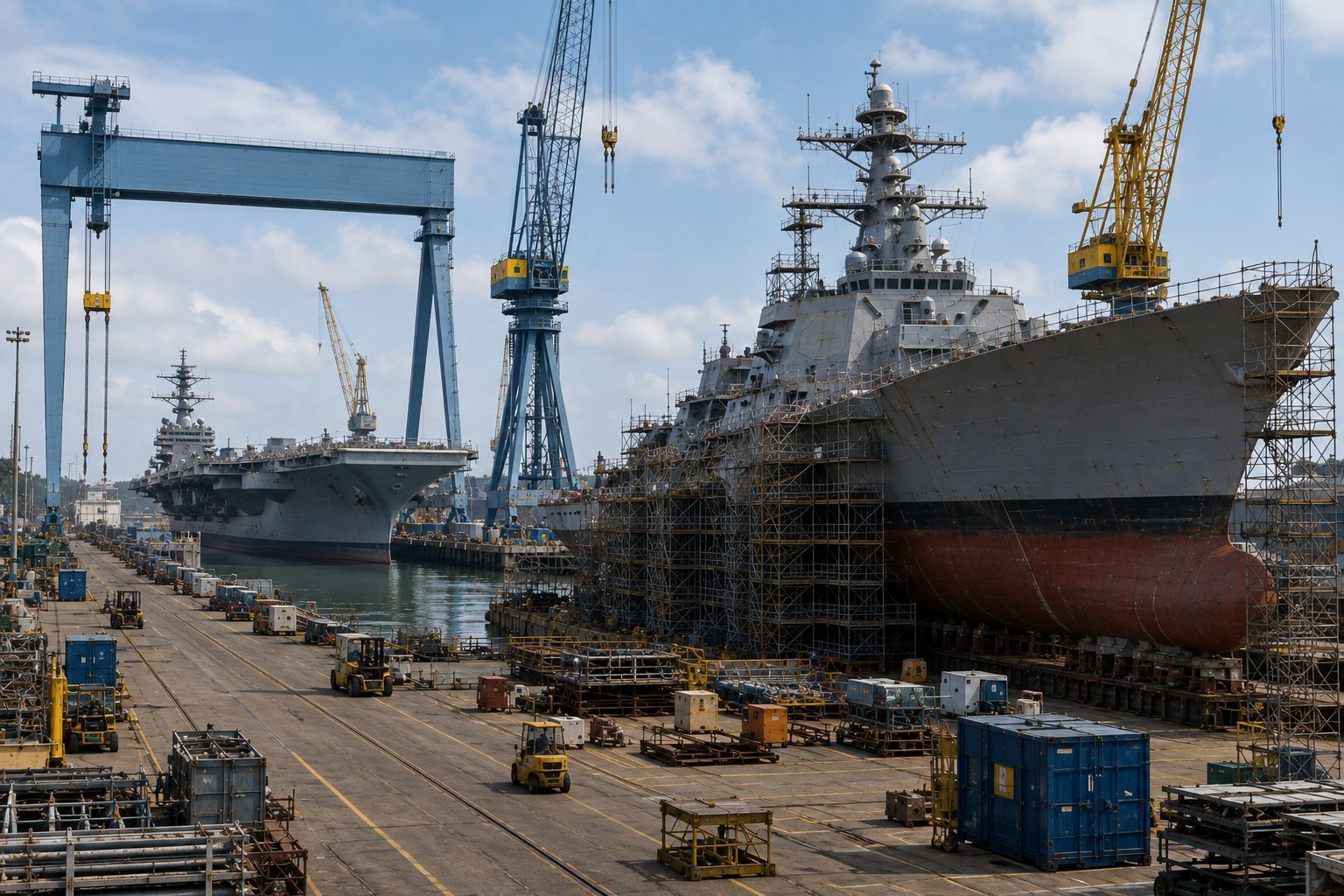
Programs such as carrier berthing renovations, the Coast Guard's Offshore Patrol Cutter program, and the berthing, office, and dining packages for JHSV and T EPF vessels all depend on this kind of planning. Lockers are among the items that must arrive in the right quantity and the right type, because a missing or wrong locker leaves an empty spot in a finished compartment.
Frequently Asked Questions
What types of lockers are used on naval vessels?
Common types include overcoat lockers, crew wardrobe lockers, marine lockers, Chief Petty Officer lockers, and crew clothing lockers. Coast Guard vessels use a crew locker built to their own drawing.
Are shipboard lockers available in aluminum?
Yes. The locker line is built from aluminum with a powder coat finish, which offers a strong strength to weight ratio and resists salt air and humidity.
Can shipboard lockers be shock certified?
Shock certification to the Navy shock standard, MIL S 901D, is available on the Navy locker types. Whether it is required depends on the vessel and the program.
Why do shipboard lockers need ventilation?
Uniforms, boots, and foul weather gear go into lockers damp, and humid compartments add to it. Ventilated designs let air move through so contents dry and mildew is less likely to form.
Can lockers be made in custom sizes?
Yes. Custom sizes suit compact or irregular compartments. Send the available width, depth, height, door swing requirements, and any obstructions the unit has to clear.
How long does it take to receive a locker order?
Typical custom naval locker projects take 30 to 90 days, depending on scope and order volume. A complete drawing reference and clear quantities help set a firm date.
Storage That Fits the Compartment and the Crew
Shipboard storage works best when it is planned as a system instead of a list of boxes. The locker type, its drawing reference, ventilation, marine grade locks, and finish all shape how well a compartment functions day to day. Add under berth drawers, berth stack lockers, and custom sizing for tight spaces, and gear stays secured through rolling seas. Confirming real clearances before an order is released keeps units fitting cleanly and keeps crews out of improvised storage.
Spec-Built Systems Inc.
has built MIL SPEC compliant lockers and shipboard furniture from San Diego, CA for over 40
years, and the programs that go smoothest settle details early. Locker types, quantities, finishes, and any shock certification requirement are confirmed before production begins, which keeps the schedule predictable. Crews rarely notice well planned storage because it simply works, with doors staying put, gear drying properly, and emergency equipment sitting exactly where people expect to find it.